

When Do Fleets Need Reflective Vehicle Graphics in the UK?
posted 22nd April 2026
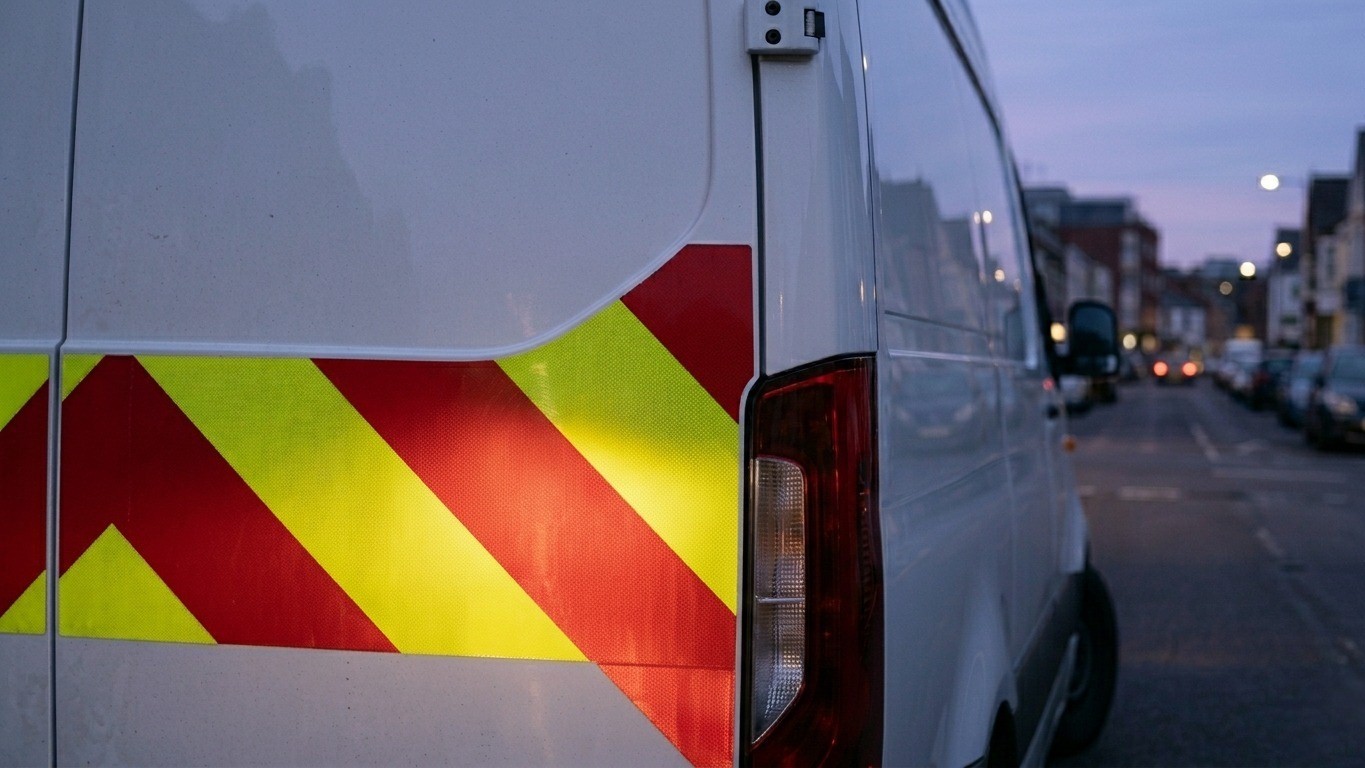
Reflective vehicle graphics are often the "unsung heroes" of fleet management - frequently overlooked until a safety inspection or a roadside incident makes them an absolute priority.
For UK fleet managers and business owners, understanding when reflective markings are a legal requirement is about more than just branding; it’s about Chapter 8 compliance, driver safety, and protecting your business from liability. Whether you operate a single van or a multi-sector logistics fleet, the visibility of your vehicles directly impacts your operational uptime.
At Popin, we design and install high-visibility graphics for diverse industries - from utilities and highways to security and logistics.
One of the most critical questions we address for our clients is:
The answer isn't "one size fits all."
It depends on your vehicle's gross weight, where it stops for work, and the specific UK road safety laws it must follow.
In this guide, we’ll break down the legalities of ECE104 regulations and Chapter 8 standards clearly and practically, so you can ensure your fleet is both seen and safe.
Does your fleet need a safety upgrade?
You likely need reflective graphics if your vehicles:
- Are over 7.5 tonnes GVW (Mandatory ECE104).
- Stop for work on UK public highways (Chapter 8 best practice).
- Operate in high-speed traffic or low-light environments.
- Need to meet specific site-access safety standards.
What Are Reflective Vehicle Graphics?
Reflective vehicle graphics are engineered from specialist retro-reflective vinyl. Unlike standard vinyl graphics, these materials contain thousands of tiny glass beads or micro-prisms that reflect light back to its source (such as a trailing vehicle's headlights).
This makes your fleet significantly more visible in low-light, nighttime, or hazardous weather conditions.
For UK businesses, these aren't just stickers; they are critical safety components.
We typically categorise their use into four key areas:
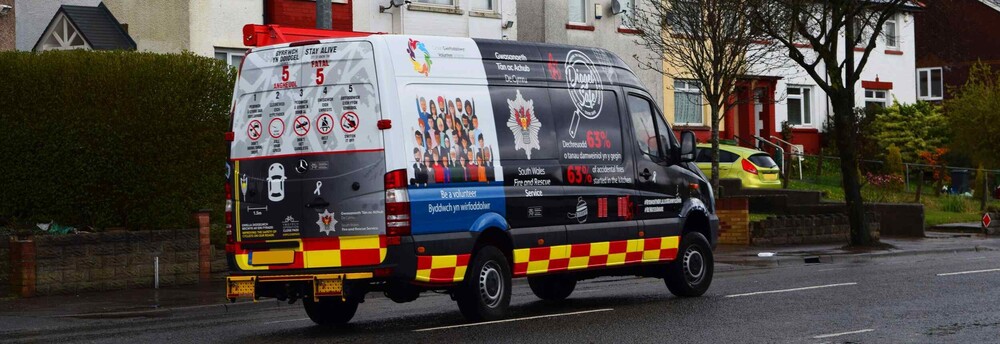
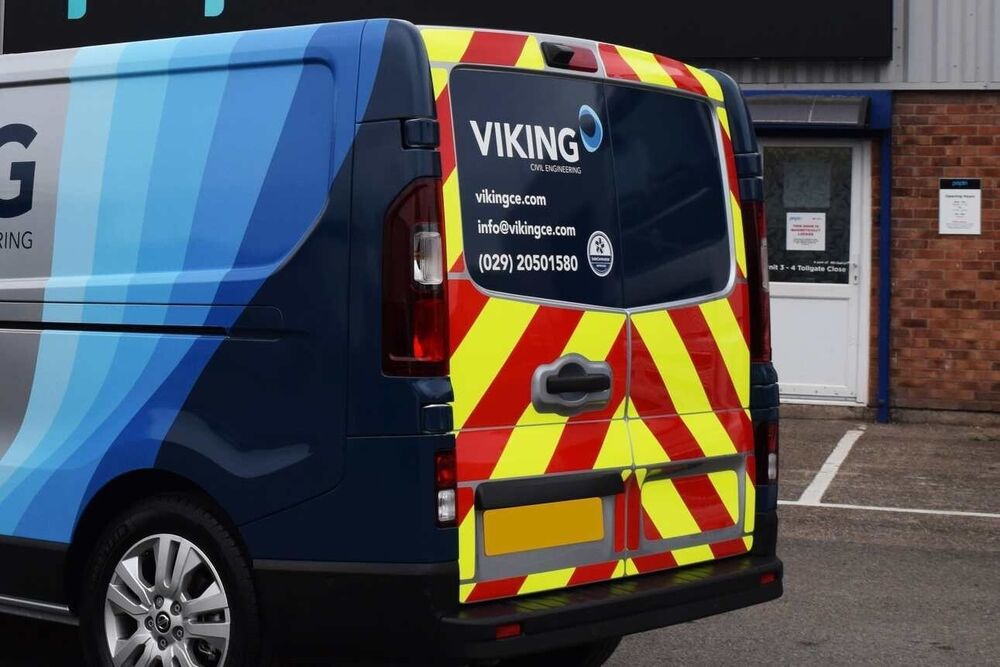
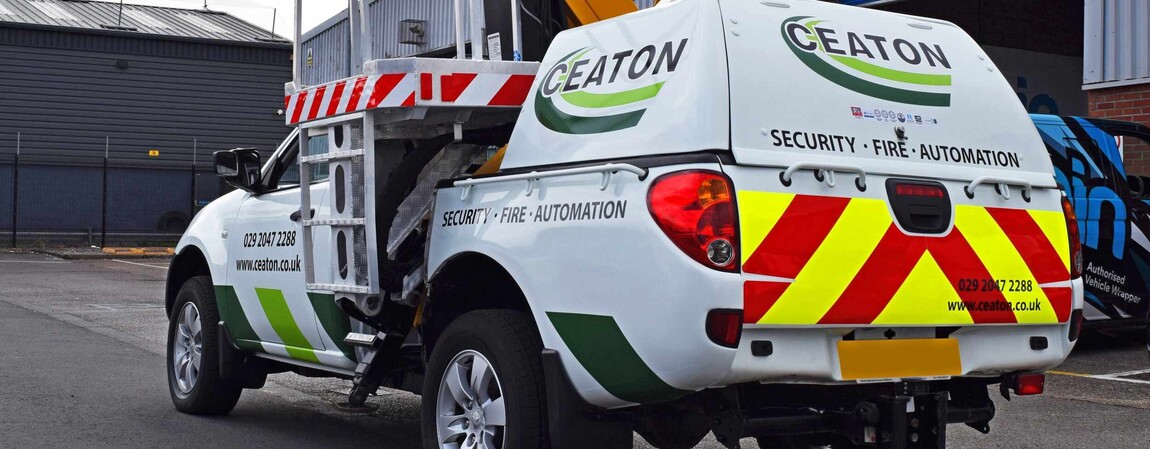
- Chapter 8 Rear Chevrons: Essential high-visibility "upward-facing" red and yellow stripes for vehicles stopping on highways.
- ECE104 Conspicuity Tape: Reflective contour markings that outline the shape of heavy goods vehicles (HGVs).
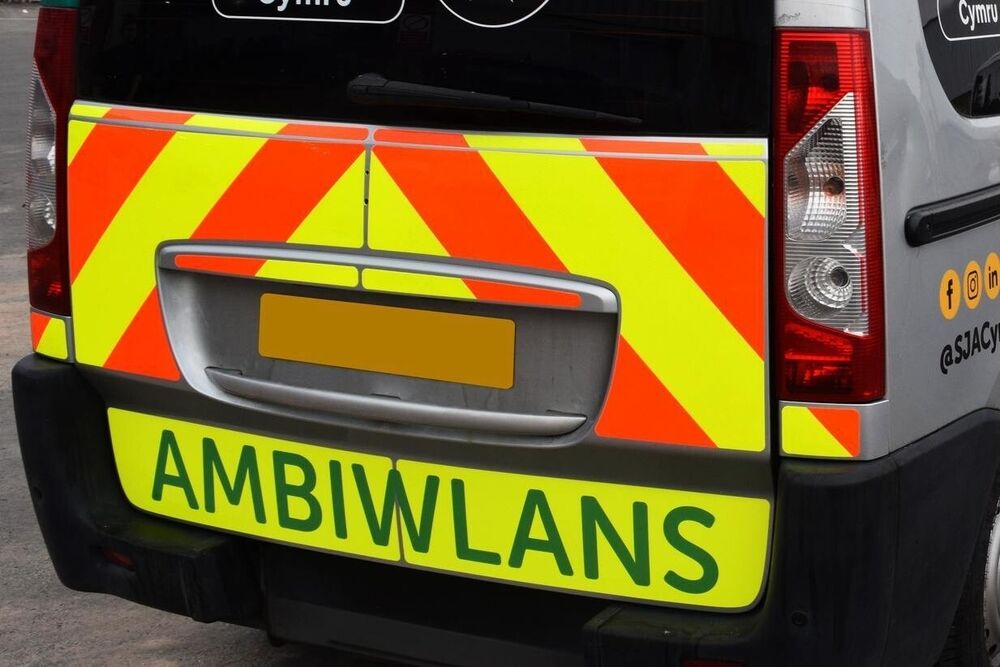
- Emergency & Utility Markings: High-grade "Battenburg" patterns for police, ambulance, or breakdown recovery fleets.
- Reflective Brand Graphics: Subtle but effective logos that "pop" under streetlights, providing 24/7 advertising for your business.
By choosing high-quality reflective materials, you aren't just ticking a compliance box - you are actively reducing the risk of rear-end collisions and protecting your most valuable assets: your drivers.
Standard Vinyl
Excellent for daytime branding and colour changes. However, it "disappears" in the dark, relying entirely on ambient street lighting to stay visible.
Reflective Vinyl
Utilises retro-reflective technology to "glow" when hit by headlights. Provides up to 900% more nighttime visibility than standard non-reflective wraps.

Why Reflective Graphics Matter for Fleet Safety
Before diving into the legalities, it is vital to understand the "Safety First" logic behind reflective materials.
In the UK’s unpredictable climate - marked by heavy rain, fog, and long winter nights - a stationary or slow-moving vehicle is a significant hazard.
Statistically, reduced visibility is a primary contributor to roadside incidents.
Reflective graphics act as a passive safety system for vehicles that:
- Make frequent stops: Such as delivery couriers or maintenance vans.
- Operate on high-speed roads: Where following drivers have seconds to react to a stationary hazard.
- Work in 24/7 cycles: Ensuring your branding and safety markings are "always on."
By installing high-grade reflective kits, you are dramatically improving hazard perception for other road users.
These materials work by:
- Extending Detection Distance: Enabling drivers to react 25% quicker compared to non-reflective vehicles.
- Defining Vehicle Dimensions: Using "contour marking" to show exactly how wide or tall a vehicle is, preventing side-swipe accidents.
- Enhancing Driver Confidence: Protecting your staff by ensuring they are visible while working outside the vehicle.
For modern UK fleets, these graphics are no longer an optional extra - they are a critical component of your Duty of Care.
| The Safety Factor | The Reflective Benefit |
|---|---|
| Reaction Time | Increases the distance at which a vehicle is noticed from 30m to over 500m. |
| Inclement Weather | Cuts through fog, spray, and heavy rain where standard paint fails. |
| Brand Protection | Reduces the likelihood of insurance claims and vehicle downtime. |
| Legal Liability | Demonstrates a proactive approach to UK health and safety regulations. |
When are Reflective Vehicle Graphics Legally Required?
This is where the distinction between "good practice" and "legal mandate" becomes critical - and where many UK businesses inadvertently risk non-compliance.
In the UK, reflective vehicle graphics are typically required whenever a vehicle is used for works purposes and stops on a public highway. These requirements are primarily governed by the Traffic Signs Manual: Chapter 8, but they also overlap with Health and Safety at Work legislation regarding risk management.
Key Sectors Requiring Chapter 8 Compliance
If your fleet operates in any of the following capacities, reflective markings are likely a non-negotiable requirement:
- Highway Maintenance & Roadworks: Any vehicle involved in works on high-speed roads must meet specific "High Visibility Rear Marking" standards.
- Utility & Infrastructure: Power, water, and gas fleets that stop to perform repairs or inspections on public roads.
- Traffic Management: Vehicles used to set up cones, signs, or diversions.
- Civil Engineering & Construction: Vehicles entering or exiting live sites adjacent to public highways.
- Emergency Response & Recovery: Breakdown recovery trucks and "fend-off" vehicles.
Failing to meet these standards doesn't just risk a fine; it can invalidate your insurance if an accident occurs while a vehicle is inadequately marked.
Highways
Full Chapter 8 rear chevrons and side strips are mandatory for all vehicles stopping on high-speed roads.
Utilities
Requires "Maintenance Vehicle" markings and reflective rear strips to ensure visibility during 24/7 call-outs.
Van Fleets
Even small delivery vans require conspicuity tape if they frequently unload in high-traffic urban areas.
What is Chapter 8 and Why Does it Matter?
Chapter 8 refers to the comprehensive safety guidance set out in the UK government’s Traffic Signs Manual.
While technically "guidance," it is widely treated as a legal mandate by insurance companies, local authorities, and major contractors.
The Core Objective of Chapter 8
Chapter 8 dictates how any vehicle working on or near UK highways must be marked to ensure "maximum conspicuity."
This isn't just about being seen; it's about providing enough warning to high-speed traffic to prevent fatal collisions.
Standard Chapter 8 specifications include:
- High-Visibility Rear Chevrons: Alternating 150mm-200mm wide stripes of Reflective Red and Fluorescent Yellow.
- Side Markings: Reflective strips or "maintenance vehicle" text to define the vehicle's length.
- Conspicuity Enhancements: Edge markings that outline the vehicle's full height and width (especially for larger HGVs).
If your fleet is involved in stopping or slow-moving activity on public roads - whether for a quick utility fix or long-term roadworks - failing to comply can lead to invalidated insurance and Health & Safety Executive (HSE) investigations.
| Vehicle Type | Typical Requirement | Purpose |
|---|---|---|
| Highway Maintenance | Full Chapter 8 chevrons + reflective markings | Maximum visibility in high-risk environments |
| Utility Vans | Rear chevrons + optional side reflectives | Visibility during roadside stops |
| HGV Fleets | Conspicuity tape and rear markings | Outline vehicle size and presence |
| Traffic Management | Full compliance markings | Legal requirement and safety critical |
⚖️ Looking for a deeper dive into the law? Read our full breakdown: Legal Requirements for Vinyl Wraps on Vans & Lorries in the UK
Are Reflective Graphics Mandatory or Recommended?
The line between "optional" and "mandatory" is often thinner than business owners realise.
In the UK, while Chapter 8 is a guidance document, failing to follow it can be used as evidence of negligence in a court of law.
The Legal Mandate
Reflective graphics are legally mandatory under the Traffic Signs Manual for:
- Any vehicle working on high-speed roads (50mph+).
- Vehicles used for highway maintenance, inspections, or traffic management.
- HGVs over 7.5 tonnes (which must comply with ECE104 conspicuity marking laws).
Best Practice & Duty of Care
For many other fleets, reflective graphics fall under "Strongly Recommended" or "Best Practice."
However, under the Health and Safety at Work Act, employers have a legal Duty of Care to provide a safe working environment. If a driver is struck while unloading a non-reflective van in the dark, the lack of safety markings could lead to a significant liability claim.
Beyond the legalities, safety-conscious businesses choose reflective upgrades to:
- Mitigate Liability: Proactively reducing the risk of third-party collisions.
- Maximise Uptime: Fewer accidents mean fewer vehicles off the road for repairs.
- Project Professionalism: A fleet that is visible and compliant looks more reliable to high-value contractors.
Legally Required
Highway Operations
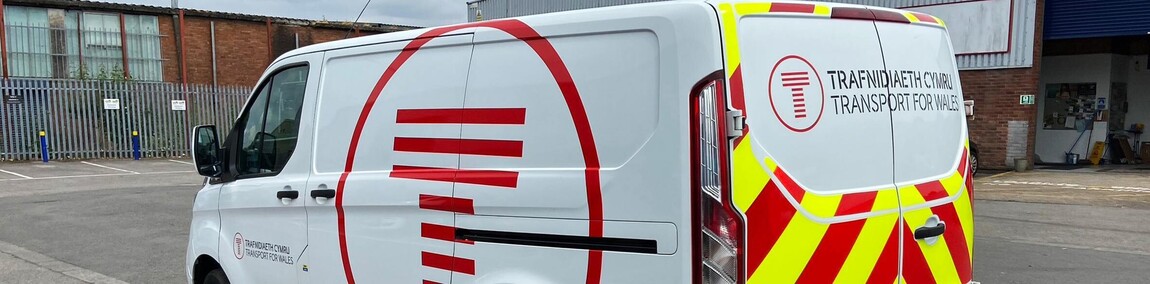
If your vehicles stop on public highways for work, Chapter 8 compliance is mandatory to meet UK road safety standards.
Highly Recommended
Urban & Logistics Fleets
For delivery and service vans, reflective branding protects your drivers and reduces insurance liability in low-light urban areas.
Which Vehicles Benefit Most from Reflective Graphics
While the law dictates requirements for some, the benefits of reflective graphics extend to any vehicle that shares the road during twilight, night, or poor weather. For many of our clients at Popin, the decision to go reflective is a strategic move to lower the fleet’s "Risk Profile."
High-Priority: Maximum Risk Environments
These vehicles operate in "high-danger" zones where visibility is the only line of defence.
Reflective markings are considered essential for:
- Vans Operating Roadside: Mobile technicians and engineers who may be obscured by their own vehicle while working.
- HGVs & Articulated Lorries: Mandatory ECE104 contour tape is required here to define the massive "footprint" of the vehicle.
- Plant & Machinery Transport: Low-loaders carrying heavy equipment that often have unusual shapes or overhangs.
- Breakdown & Recovery: Vehicles that are stationary in high-speed, live-lane environments.
- Security & Patrol Fleets: Enhancing the "authority presence" and safety of personnel during night shifts.
Medium-Priority: Urban & Commercial Efficiency
Even if you aren't stopping on a motorway, reflective graphics provide 24/7 utility for:
- Last-Mile Delivery Fleets: Operating during early morning or late evening "peak risk" hours in busy urban centres.
- Coaches & Buses: Ensuring passenger safety during pick-ups and drop-offs in low-light conditions.
- Corporate Branding: Using Reflective Print Vinyl for logos ensures your brand remains visible to potential customers even after the sun goes down.
High Priority
Highway & Utility
Essential for vehicles stopping on live roads. Focus: Chapter 8 Chevrons.
High Priority
HGV & Large Plant
Large footprints require full outline conspicuity tape (ECE104).
Medium Priority
Delivery & Logistics
Enhanced safety for low-light urban operation and brand visibility.
Design Considerations for Reflective Vehicle Graphics
Effective reflective graphics are the result of precision engineering, not just "sticking chevrons on the back."
To be truly effective and legally compliant, your vehicle's safety markings must be treated as a technical installation.
At Popin, we focus on four critical pillars of design to ensure your fleet meets UK standards:
- Precision Geometry: Chevrons must be angled correctly (usually 45 degrees) and sized to cover the required percentage of the vehicle's rear.
- Material Specification: Using the correct grade of vinyl - such as Class R3B for high-speed roads - ensures the light return meets legal minimums.
- Seamless Brand Integration: We don't just add safety; we integrate it. Reflective elements can be designed to complement your existing wrap, keeping your fleet looking professional and on-brand.
- Professional Application: Durability is key. Specialist reflective vinyl is thicker and less forgiving than standard wraps; it requires expert application to prevent lifting, water ingress, or premature degradation.
The Cost of Getting it Wrong: Poorly designed or amateurishly installed graphics often fail FORS or CLOCS inspections, peel within months, and significantly reduce the "stopping distance" benefit for other drivers.
✔ Best Practice
High-contrast fluorescent colours, correct chevron angles, professional installation using Class R3B compliant materials.
✖ Common Mistakes
Incorrect sizing, poor alignment, non-reflective "visual-only" substitutes, and low-quality vinyl that peels at the edges.
🔬 Want to see the tech behind the glow? Discover How 3M IJ780mc Reflective Vinyl Works and why it’s a top choice for fleet safety.
Reflective Graphics vs Standard Vinyl Graphics: What’s the Difference?
A common misconception in fleet management is that all vinyl wraps are created equal.
While standard vinyl is fantastic for daytime marketing, it becomes virtually invisible once the sun sets.
Reflective Vinyl: The 24/7 Safety Solution
Reflective vinyl is engineered with a retro-reflective layer (prismatic or glass bead technology).
Its primary job is to catch and return light from external sources, such as headlights.
- Night-Time Visibility: Increases detection distance by hundreds of metres.
- Legal Compliance: The only material that meets Chapter 8 and ECE104 standards.
- Durability: Typically thicker and more resistant to the harsh roadside environment.
- Investment: While the initial cost is higher due to specialist manufacturing, the ROI is found in reduced accident rates and 24/7 brand exposure.
Standard Vinyl: The Daytime Specialist
Standard vinyl is designed for high-resolution aesthetics and full-colour branding.
- Aesthetic Focus: Best for complex photographic wraps and vibrant brand colours.
- Limited Safety: Offers zero visibility enhancement in low-light or "incognito" night-time conditions.
- Lower Cost: More budget-friendly for fleets that operate strictly 9-to-5 in well-lit urban environments.
24/7 Visibility
Reflective Vinyl
- Active light-return technology
- Chapter 8 & ECE104 Compliant
- Protects drivers in low-light
- High-impact safety branding
Standard Vinyl
- Passive daytime visibility
- Aesthetic & Branding focus
- Lower initial material cost
- No night-time safety benefit
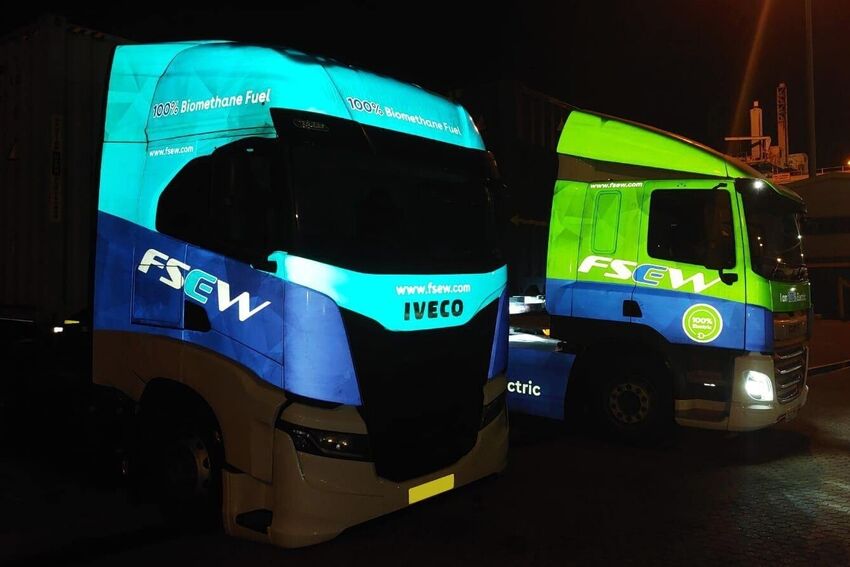
Examples of Reflective Vinyl for Night-Time Brand Marketing:

How Long Do Reflective Vehicle Graphics Last?
When you invest in a professional fleet safety kit, you aren't just paying for the material - you are paying for its longevity. When utilising industry-leading prismatic films and professional installation, you can expect your reflective graphics to remain effective for years.
Expected Lifespan
- 5-7+ Years: Most high-grade reflective materials are warrantied to maintain their retro-reflective properties and colour for over half a decade, even under constant commercial use.
- Weather Resistance: These graphics are specifically engineered to withstand the UK’s unique climate - from freezing winter road salt to high UV exposure during the summer.
- Reflectivity Retention: Unlike low-quality alternatives that "silver" or dull after a year, professional films are designed to stay bright and compliant for the duration of the vehicle's lease or service life.
Factors Affecting Durability
To ensure your graphics reach their maximum lifespan, consider these three variables:
- Specialist Cleaning: While durable, reflective vinyl should be cleaned with non-abrasive detergents. High-pressure jet washes should be used with caution around the edges of the film.
- Environmental Exposure: Vehicles stored in depots or under cover when not in use will naturally see less "weather wear" than those parked roadside 24/7.
- Material Quality: There is a significant difference between "engineering grade" and "high-intensity" films. We always recommend the highest grade for vehicles operating in harsh, high-speed environments.
Pro-Tip: Maximising Lifespan
Always avoid using harsh chemicals or abrasive brushes on reflective surfaces. A simple pH-neutral soap and water wash is all that’s needed to keep the micro-prisms clean and functioning at 100% capacity.
📌 Interested in more about durability? Check out our deep dive: How Long Do Vehicle Wraps Really Last in the UK Climate?
The Business Benefits Beyond Compliance
For forward-thinking fleet managers, reflective vehicle graphics aren’t just about ticking boxes on a safety audit.
While compliance gets you on-site, the secondary benefits of high-conspicuity markings provide a significant return on investment (ROI) that lasts the lifetime of the vehicle.
A Professional Edge
A fleet that is fully compliant with Chapter 8 or ECE104 standards immediately signals to high-value contractors and local authorities that your business is professional, safety-conscious, and detail-oriented.
It’s a silent "trust signal" that can be the difference between winning or losing a tender.
24/7 Brand Exposure
Most vehicle wraps "turn off" when the sun goes down. By using Reflective Brand Graphics, your logo and contact details remain visible under streetlights and headlamps. This effectively doubles your advertising window, ensuring your brand is seen by potential customers during late-night commutes and early-morning shifts.
Risk & Liability Mitigation
Beyond physical safety, reflective graphics serve as a powerful defence against rising insurance premiums. By exceeding minimum safety standards, you demonstrate a proactive approach to Duty of Care, which can be a vital factor in reducing liability during insurance claims and protecting your business from the financial fallout of vehicle downtime.
The Reflective ROI
🛡️
Reduced Liability
🌙
24/7 Branding
🏆
Tender Readiness
How Popin Helps Fleets Stay Compliant and Visible
At Popin, we understand that fleet managers have enough to worry about without memorising the nuances of the Traffic Signs Manual. We don’t just install graphics; we provide a full-service consultancy to ensure your fleet is protected from both roadside hazards and legal non-compliance.
Whether you are launching a new brand or auditing an existing fleet, we provide:
- Expert Compliance Guidance: We stay up-to-date with the latest Chapter 8 and ECE104 legislation so you don’t have to.
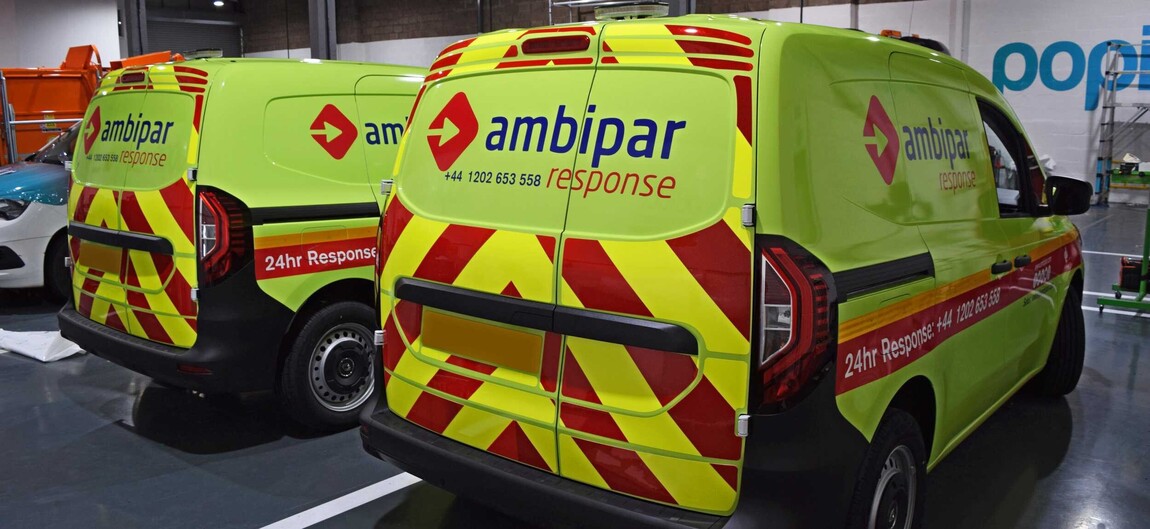
- Precision Chapter 8 Design: Custom-engineered rear chevrons tailored to your specific vehicle make and model for a perfect, compliant fit.
- Premium Grade Materials: We exclusively use high-durability, retro-reflective vinyl from world-leading manufacturers like 3M.
- Total Fleet Consistency: Whether you operate three vans or three hundred, we ensure every vehicle across your UK operations maintains a uniform, professional image.
- Scalable Installation: Our facilities and mobile teams are equipped to handle large-scale fleet rollouts with minimal downtime for your business.
From individual specialist vehicles to nationwide logistics fleets, we ensure your brand is seen, safe, and fully compliant.
Securing Your Fleet’s Future
Reflective vehicle graphics are one of the most critical - yet frequently misunderstood - components of modern fleet management. As we’ve explored, they are far more than just a safety requirement; they are a strategic asset that shields your business from liability, protects your drivers, and ensures your branding works 24/7.
For some UK businesses, Chapter 8 compliance is a non-negotiable legal mandate. For others, reflective upgrades are a smart, proactive investment in road safety and professional visibility.
Either way, the cost of "getting it wrong" with inferior materials or non-compliant designs far outweighs the investment in a professional solution. If your vehicles operate on UK roads - particularly in high-risk, high-speed, or low-light environments - reflective graphics are a vital pillar of your Duty of Care.
Is Your Fleet Compliant?
Don't leave your driver safety or legal compliance to chance.
Speak with our specialist team today for a free audit of your vehicle marking requirements.