

How Long Do Vehicle Wraps Really Last in the UK Climate?
posted 18th February 2026
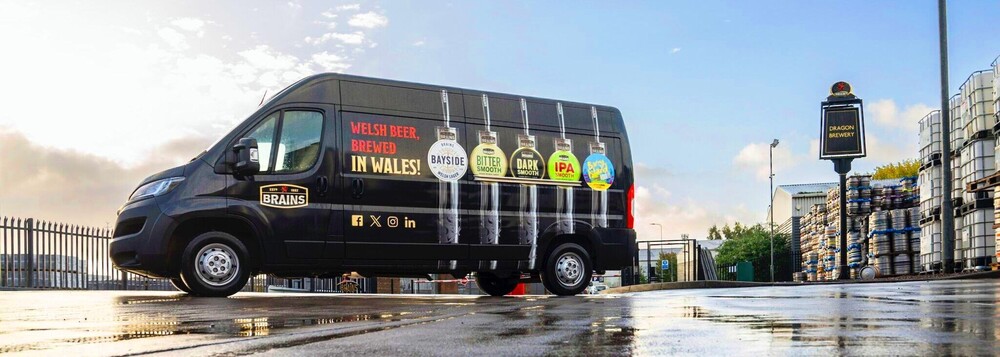
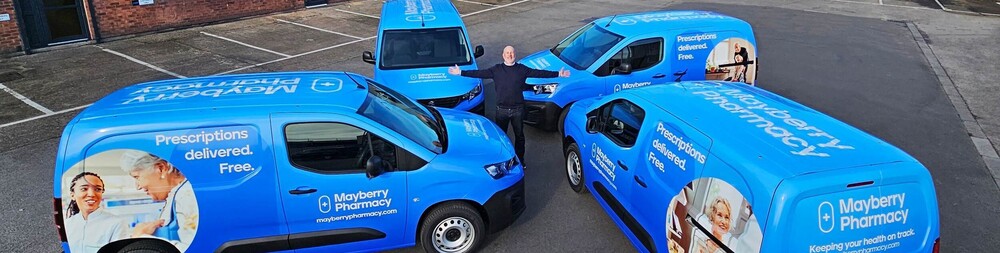
Vehicle wraps have become one of the most trusted and effective ways to transform, protect, and brand vehicles across the UK. From sign-written vans and colour-change cars to nationwide fleet wraps for HGVs, buses, and coaches, professionally installed vinyl wraps are designed to perform reliably in real British conditions.
When high-quality materials are used and installation is carried out correctly, modern vehicle wraps are durable, weather-resistant, and capable of looking great for many years - even with daily exposure to the UK’s famously changeable weather.
So it’s no surprise that one of the most common questions we’re asked is:
The reassuring answer is that most professionally installed vehicle wraps deliver at least five to seven years of strong visual performance, and often longer, depending on use, care, and vehicle type.
In this guide, we’ll explain what realistically affects vehicle wrap lifespan in the UK, what you can expect in real-world conditions, and how to get the very best longevity from your wrap.

Why Vehicle Wraps Perform Well in the UK
Vehicle wrap materials are specifically engineered for environments like the UK. Unlike extreme heat or deep-freeze climates found elsewhere in the world, Britain’s moderate temperatures and relatively stable conditions are actually very well suited to modern cast vinyl films.
High-quality wrap materials are designed to cope with:
- Regular rainfall and moisture
- Seasonal temperature changes
- UV exposure from sunlight
- Road contaminants such as grit, salt, and traffic film
Rather than being a weakness, the UK climate simply highlights the importance of professional material selection and installation.
When those fundamentals are right, wraps perform exceptionally well on British roads.
Average Vehicle Wrap Lifespan in the UK
While every vehicle and use case is different, the table below reflects realistic, industry-proven expectations for professionally installed wraps in the UK to remain in 'as-new' condition.
| Type of Vehicle Wrap | Vertical Panels (Sides) | Horizontal (Bonnet/Roof) | Practical Expectation |
|---|---|---|---|
| Commercial Vans | 5-7 Years | 3-5 Years | Best durability; easiest to keep clean. |
| Cars (Colour Change) | 5-7 Years | 3-4 Years | Satin/Matte may need gentler washing. |
| HGVs & Lorries | 6-7+ Years | 4-5 Years | Built for high-mileage road exposure. |
| Buses & Coaches | 6-8 Years | 4-6 Years | High-quality laminates extend life. |
| Short-term Promo | 1-3 Years | 1-2 Years | Designed for easy, clean removal. |
While high-quality vinyl can often stay bonded to a vehicle for 10 years or more, these figures above represent the 'Peak Performance' window - the period where the colours remain vibrant, the finish stays sharp, and the wrap continues to look as impressive as the day it left our workshop.
These figures assume:
Premium cast vinyl films
Professional installation
Normal commercial use
Sensible cleaning and care
What Actually Affects Wrap Longevity?
Vehicle wrap lifespan isn’t determined by weather alone.
In reality, several controllable factors play a far bigger role.
Material Quality Matters More Than Anything
High-performance cast vinyl films are designed to flex, conform, and age gradually without cracking, shrinking, or lifting.
Cheaper materials may look acceptable initially but tend to show wear much earlier.
This is why professional installers insist on premium materials - they don’t just look better, they last significantly longer.
You can explore the full range of 3M vehicle wraps and trims to see the performance specifications and various professional-grade finishes available for high-end installations.
Check out the 3M vehicle wrap performance specifications to see how professional-grade finishes are engineered for durability.
Installation Quality Is Critical
Even the best vinyl won’t perform properly if it’s poorly installed.
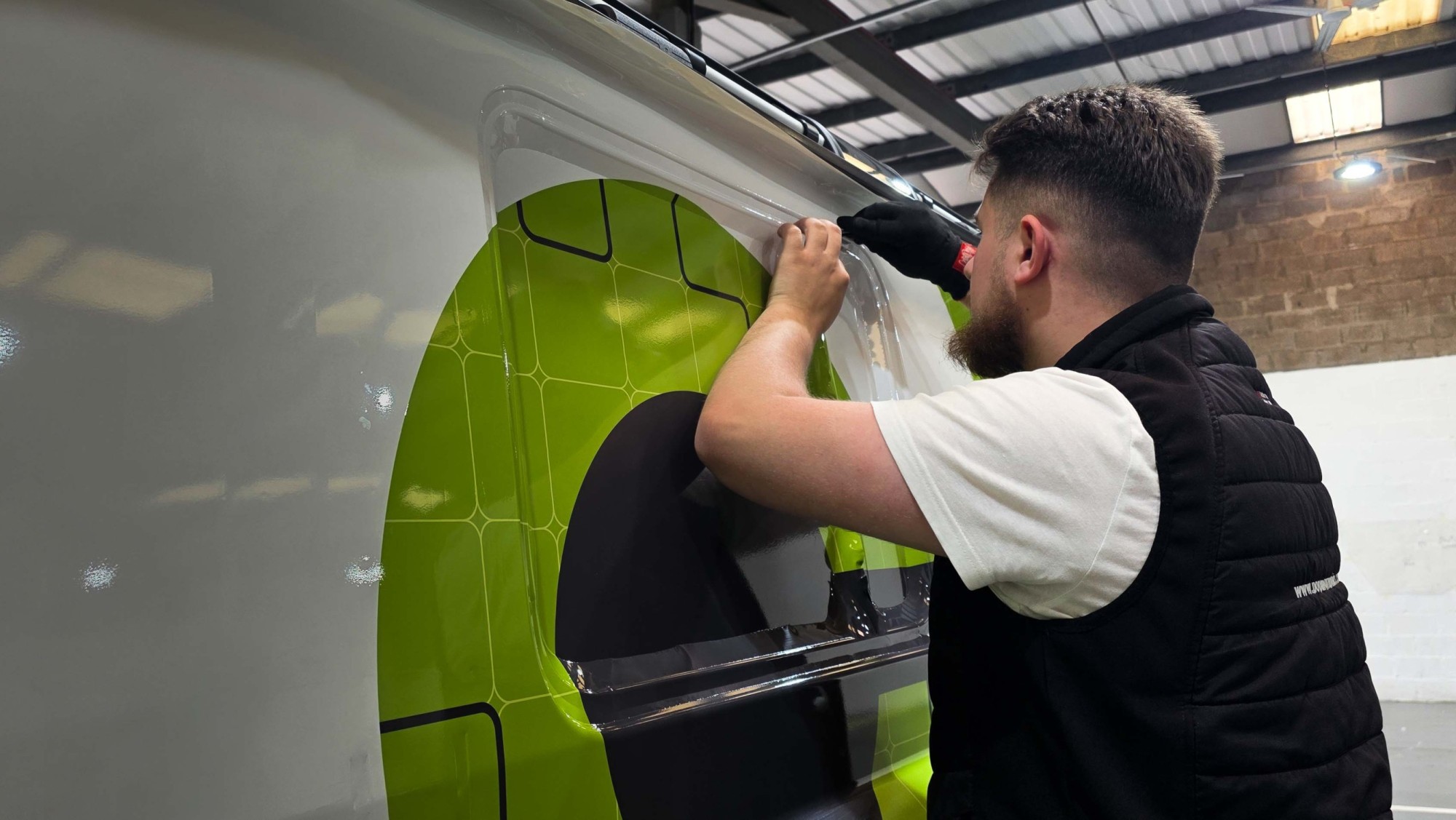
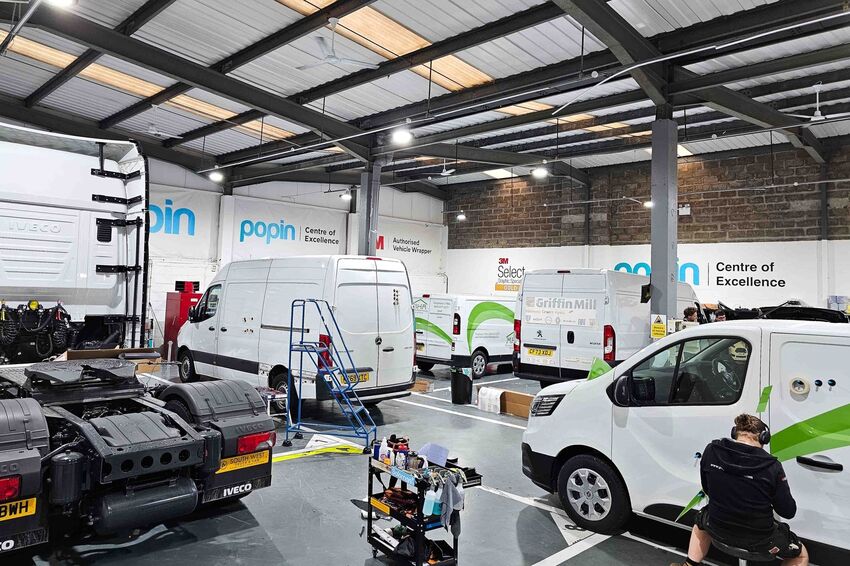
In our temperature-controlled Cardiff vehicle wrapping workshop, we ensure every surface is chemically decontaminated before the vinyl even touches the panel. This meticulous preparation and experienced application contribute directly to the ultimate lifespan of the film.
If vinyl is overstretched into deep recesses, the adhesive bond is compromised before the vehicle even leaves the bay. In reality, poor installation is the most common reason wraps fail early - not the UK climate. When applied with precision in a professional setting, a wrap is engineered to withstand British rain and road salt for years without lifting or bubbling.
Vehicle Usage and Mileage
A wrap on a long-distance motorway vehicle will naturally experience more wear than one used locally.
That said, wraps are specifically designed to withstand constant motion, airflow, and exposure.
High mileage does not mean short lifespan - it simply means regular care becomes more important.
How Maintenance Extends Wrap Life
One of the most reassuring things for vehicle owners is that wrap longevity is largely within your control.
While environmental factors matter, your aftercare routine is the single most important factor in hitting that 7-year lifespan.
Cleaning Makes a Real Difference
Regular, gentle cleaning prevents contaminants from bonding to the vinyl and keeps colours vibrant. If left to sit, road grime or bird droppings can etch into the film, causing permanent staining or premature degradation.
Best practices include:
- Hand washing with mild detergent - this avoids the stiff brushes of automated washes that cause micro-scratches.
- Rinsing away grit before contact - ensures loose debris doesn’t act like sandpaper during the wash.
- Avoiding harsh chemicals - steer clear of solvents or abrasive tools that can strip the finish or weaken edges.
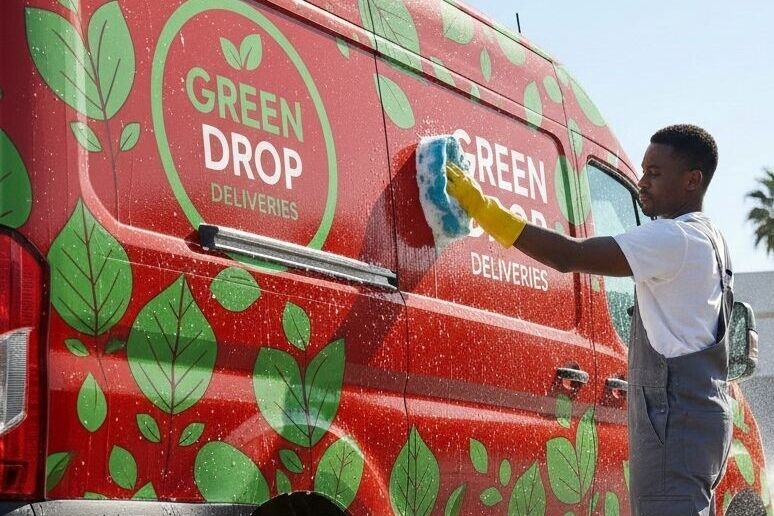
🧼 Maintenance Tip: To ensure you hit that seven-year performance window, follow our professional guide on how to clean and care for your vehicle wrap to prevent road salt and grit from dulling your finish.
Storage and Environmental Exposure
Where possible, garaged or covered parking can reduce long-term environmental wear.
Vehicles parked under trees or near industrial fallout may simply need more frequent cleaning - not replacement.
| Care Factor | Impact on Vinyl Wraps |
|---|---|
| Cleaning method | Gentle hand washing preserves colour and adhesion |
| Sun exposure | Gradual, expected ageing over time |
| Product choice | Harsh chemicals shorten lifespan |
| Storage | Covered parking reduces environmental wear |
Do Wraps Fade or Peel?
This is a common concern - and the honest answer is reassuring.
High-quality wraps do not suddenly fade or fail. Instead, they age gradually and predictably. Laminates protect colour, while cast vinyl allows controlled movement without lifting.
Peeling or premature failure is almost always linked to:
- Inferior materials
- Poor installation
- Lack of cleaning
When wraps reach the end of their service life, they are typically removed cleanly and replaced - often as part of planned rebranding or updated campaigns.
Why Wraps Often Beat Paint for Long Term Value
When you compare a custom respray to a professional vinyl wrap, the real difference comes down to lifecycle value.
In the UK commercial and fleet sectors, paint is seen as a permanent commitment, whereas a wrap is a flexible asset that works for your business.
Because high-quality vinyl is designed to be removable, it offers a level of operational freedom and surface protection that traditional automotive paint just can’t match over a five-to-seven-year period.
Does a Vehicle Wrap Protect Paint for 5+ Years?
Yes. A professional wrap acts as a durable sacrificial layer that preserves the factory finish underneath from the moment it is applied.
Here is how it outperforms traditional paint over a typical service life:
🛡️ Protection vs Degradation
Unlike paint, which chips or fades, high-quality vinyl takes the brunt of stone chips, grit, and harsh UK road salt to keep your paint pristine.
🔄 Updates & Reversibility
Branding evolved? Update your look or messaging without an expensive respray. Vinyl is 100% reversible back to the original colour.
💰 Maximised Resale Value
Remove the wrap after 5 years to find showroom paintwork underneath, significantly boosting resale value compared to typical road wear.
🧼 Maintenance Made Simple
Ditch the polishing and waxing. A wrap only needs regular cleaning with pH-neutral soap to stay vibrant and professional for years.
This inherent flexibility and "hidden" protection is exactly why wraps are now the industry standard across fleets, logistics, public transport, and high-end commercial vehicles.
Because the removal process is so straightforward, many of our clients don’t wait for the seven-year mark to refresh their look; they treat the wrap as a dynamic part of their marketing strategy.
⚖️ Investment Insight: If you’re still weighing up the long-term costs, check out our full comparison of vehicle wrapping vs automotive respraying to see which offers the better ROI for your fleet.
Planning for Replacement Is a Positive Thing
It’s important to view wrap replacement as an opportunity, not a drawback.
Many businesses replace wraps before the end of their technical lifespan because:
- Branding has evolved
- Promotions have changed
- Vehicles have been upgraded
Vinyl makes this easy, cost-effective, and creative - without permanent commitment.
The Real Takeaway on UK Wrap Lifespan
So, how long do vehicle wraps really last in the UK climate?
Longer than most people expect.
With professional design, premium materials, expert installation, and sensible maintenance, vehicle wraps consistently deliver five to seven years of strong, professional performance - often more.
That’s why they remain one of the most trusted branding solutions for logistics companies, local tradespeople, and public transport operators across Britain.
Thinking About a Vehicle Wrap?
If you’re considering wrapping a car, branding a van, or managing a large-scale fleet livery project for lorries, or buses and coaches, working with experienced professionals ensures your wrap is built to last.
At Popin, we specialise in high-performance installations that stand up to the British elements, ensuring your company fleet looks great for years to come.