

Designing Motorsport Liveries for Sponsors and TV Coverage
posted 15th April 2026
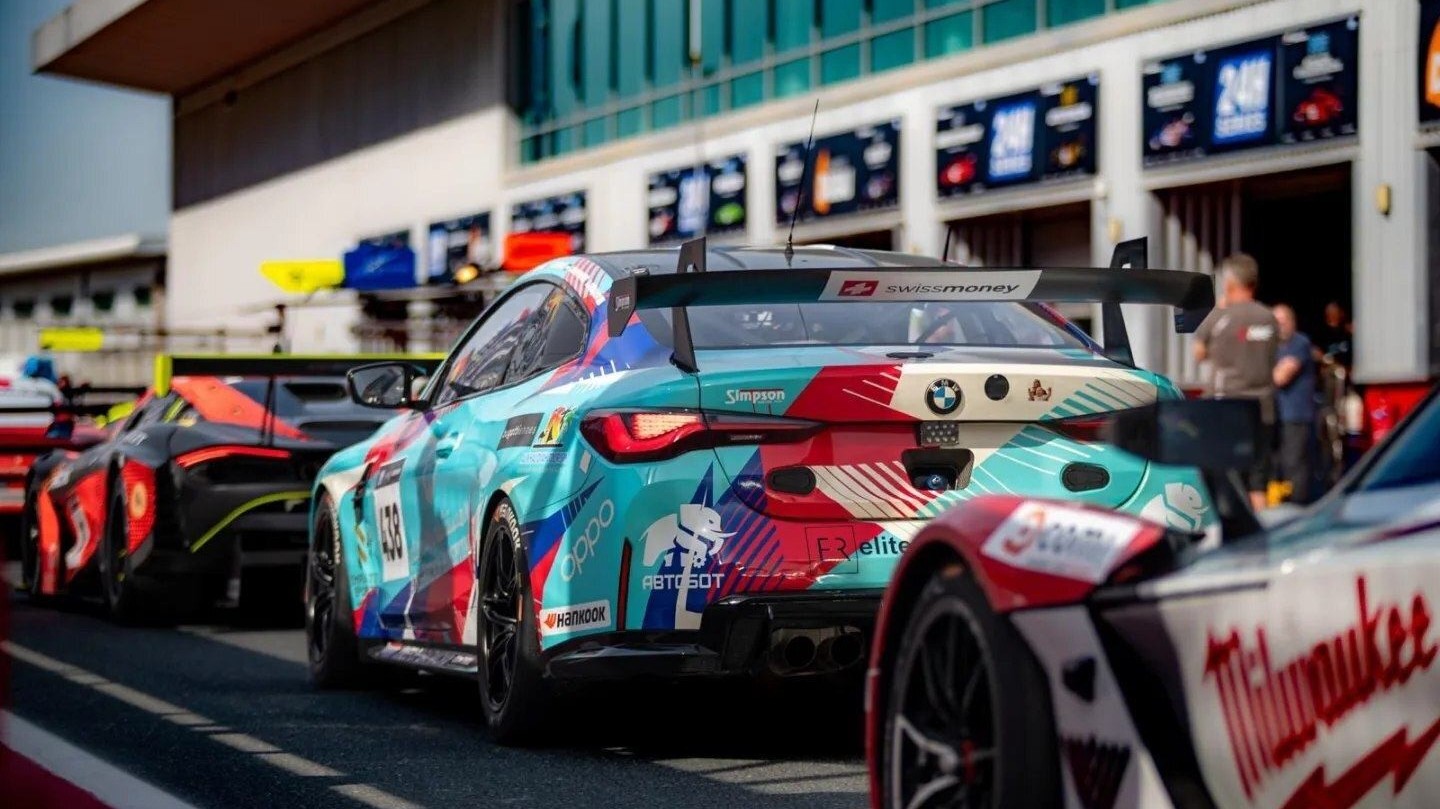
Motorsport livery design is a high-stakes balancing act where art meets commercial engineering. At the highest levels of racing, a car isn’t just a vehicle; it’s a high-speed broadcast asset and a multi-million-pound brand platform. If a design looks stunning in the paddock but disappears at 200mph on a 4K screen, it has failed its primary mission: sponsor visibility.
At Popin, we don’t just "wrap cars" - we engineer visual identities for the lens.
Having designed and applied liveries across some of the most competitive grids, we understand that every line, colour contrast, and logo placement must be optimised for TV broadcast performance.
In this guide, we break down the science of motorsport graphics: from managing camera-friendly colour palettes to strategic brand placement that ensures your partners get the ROI they expect.
Because in modern racing, if your livery doesn’t work on TV, it doesn’t work at all.
Why Professional Motorsport Livery Design Differs from Vehicle Branding
Designing a professional motorsport livery isn't the same as a standard road car wrap or commercial fleet branding.
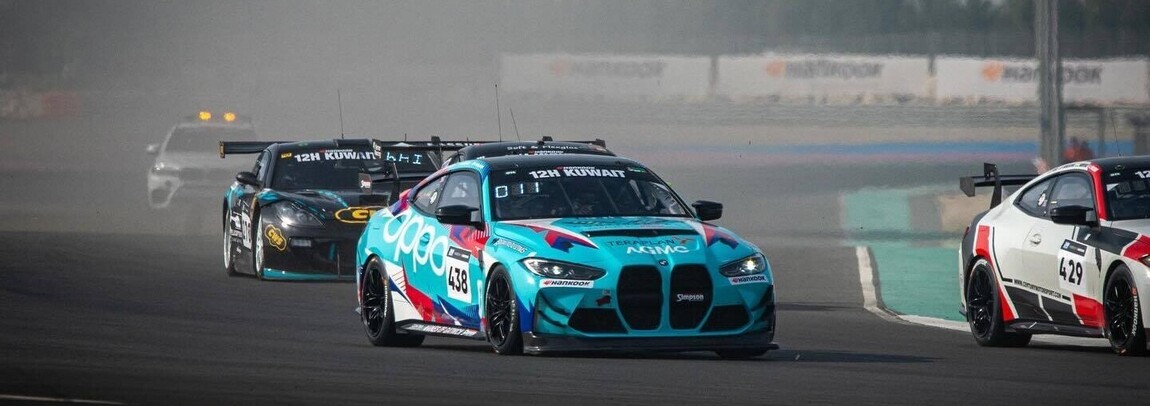
While a static vehicle wrap focuses on detail, racing graphics must survive the "stress test" of the track.
To be effective, the design must account for:
High-Velocity Visuals
Elements must remain legible at 200mph. Fine details that look great in a garage often turn into a "grey smudge" at speed.
Long-Distance Brand Recognition
Sponsors pay for visibility from the grandstands and the far end of a straight, not just the front row of the grid.
Dynamic Camera Angles
Unlike a static billboard, a car is viewed from low-angle kerb cams, aerial drones, and shaky onboard footage.
Optical Challenges
Designing for shifting track lighting, heat haze, and broadcast motion blur prevents branding from distorting on screen.
Digital Compression
4K broadcasts and social clips use compression that can "crush" gradients, making sub-par liveries look muddy on air.
Aerodynamic Integration
Graphics must flow with bodywork vents and cooling ducts to ensure sponsor logos stay intact across complex surfaces.
In short, we view the car as a performance-critical asset. If the design interferes with sponsor legibility or brand impact, it's a technical failure, regardless of how "pretty" it looks.
🏁 Mastering the craft? For a full technical breakdown of our end-to-end process, check out our complete guide to motorsport livery design and race car wraps.
Maximising Sponsor ROI Through Strategic Livery Placement
In professional racing, sponsors are the lifeblood of the team. They aren't just paying for a sticker on a car; they are investing in brand equity and global reach. Their expectations are uncompromising, and as designers, our job is to protect that investment through technical precision.
To satisfy a multi-million-pound partnership, a livery must deliver on four key commercial pillars:
01
Primary Brand Real Estate
Identifying "Hero" zones like sidepods and bonnets to capture maximum TV airtime.
02
Consistent Corporate Identity
Ensuring Pantone and hex codes translate perfectly under stadium lights and harsh sun.
03
Uninterrupted Logo Readability
Placing branding away from shut lines, vents, and track-debris marbles.
04
The "On-Board" Advantage
Optimising the "T-cam" view to give secondary sponsors high-engagement cockpit exposure.
The Triple Threat: Balancing Identity and Impact
A successful racing car livery is a delicate negotiation between three competing forces:
- Team Heritage: Maintaining the iconic "look and feel" that fans recognise.
- Sponsor Requirements: Adhering to strict corporate brand guidelines.
- Visual Disruptors: Using bold "speed lines" or contrasts that make the car pop against a grey asphalt track.
Designing for High-Velocity Visibility
A race car is a moving target, not a static canvas. At 200mph, the physics of human vision and camera shutters change the way a design is perceived. If your graphics are too intricate, they won't just look "busy" - they will effectively disappear.
To ensure sponsor legibility at top speeds, you have to account for three visual killers:
01. Motion Blur
Fine details and thin fonts bleed into base colours as the car flashes past the lens.
02. Distant Vibration
Viewers watching wide-angle shots cannot resolve small elements at a distance.
03. Visual Noise
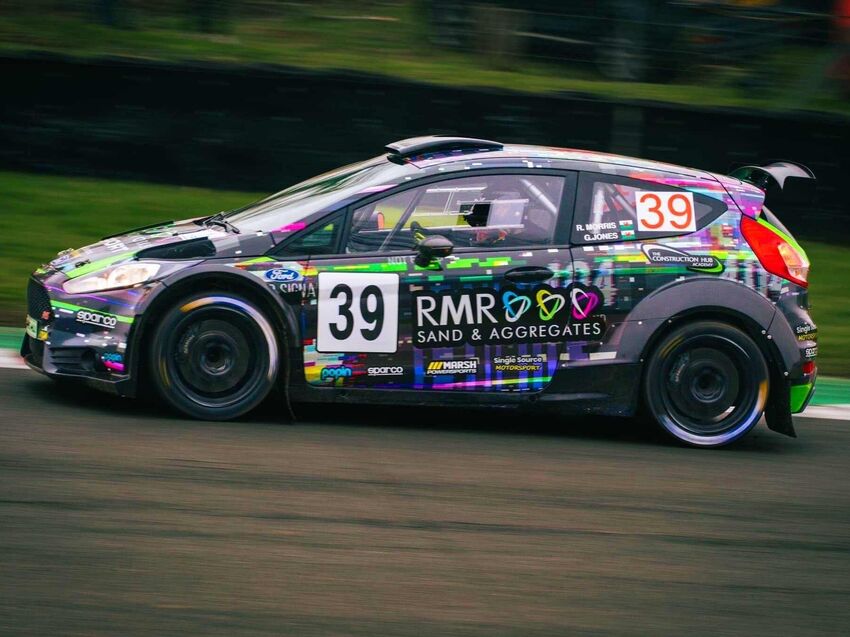
Complex patterns can "camouflage" the very logos you are trying to highlight.
The Foundations of High-Speed Graphic Performance
To combat these challenges, we apply a strict design hierarchy that prioritises instant recognition over artistic complexity:
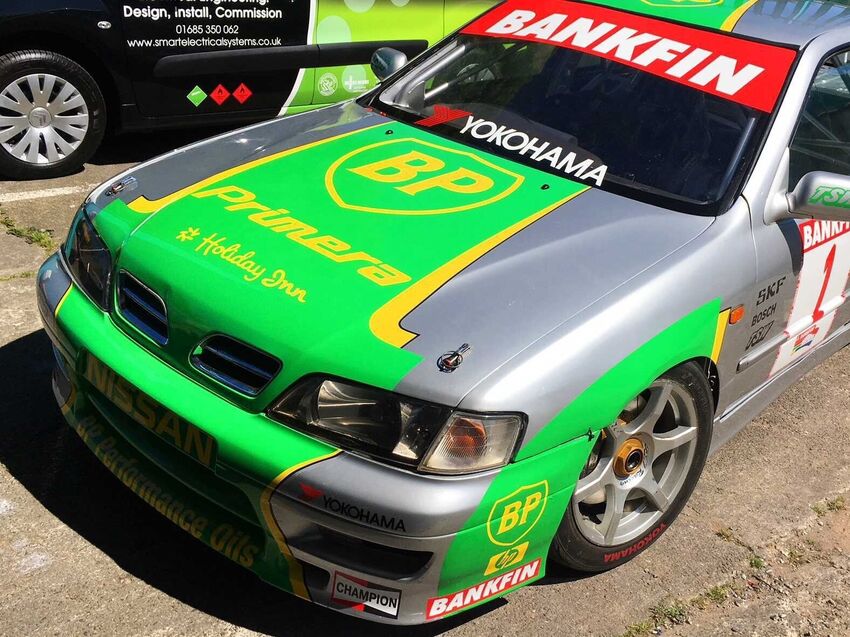
- High-Contrast Colour Palettes: We use "clashing" or high-contrast pairings (like fluorescent yellow on dark navy) to ensure the car's silhouette and key branding "pop" against grey asphalt or green trackside barriers.
- Bold Geometric Shapes: Large, simple graphic blocks help the eye track the car's movement, providing a stable "anchor" for the logos sitting on top of them.
- Font Weight & Tracking: We avoid serif or thin fonts. Bold, sans-serif typography with generous letter spacing (tracking) ensures that sponsor logos remain readable even when the broadcast feed is compressed or blurry.
- The "Squint Test": If you can’t identify the brand while squinting at the screen from across the room, it won't work at the end of a DRS zone.
To ensure every design delivers maximum commercial value, we adhere to four "Golden Rules" of motorsport graphic engineering:
Visual Scale
We size logos and typography to survive the "200mph blur," ensuring brand legibility at extreme distances.
Chromatic Contrast
Using high-contrast palettes ensures your brand remains distinct against the track, sky, and asphalt.
Layout Simplicity
Minimalist, clean layouts outperform complex designs, especially during low-resolution digital broadcasts.
Brand Hierarchy
Primary title sponsors must dominate the car’s "hero zones," with secondary partners positioned to support.
⏳ Ready for a throwback? Discover the legendary designs that broke the rules and defined the modern grid in our deep dive: The Evolution of Racing Liveries.
Optimising Liveries for Global TV Broadcast Performance
A world-class motorsport livery isn't just designed for a 2D render; it’s designed for a 360-degree broadcast environment. Modern racing coverage utilises a sophisticated array of camera technology, and your design must perform flawlessly across every single one.
To ensure maximum brand exposure, we engineer graphics for these four critical perspectives:
The Long-Lens Tracking Shot
We focus on side-profile silhouette recognition, ensuring primary logos aren't broken up by wheel arches or complex aero-flicks.
Aerial & Heli-Cam Coverage
We treat the roof and rear wing as high-value billboards for bird’s-eye identification during drone and helicopter cinematography.
The T-Cam & Onboard Experience
Strategic branding on nosecones and mirrors ensures secondary sponsors are "in-shot" during high-engagement driver battles.
Super Slow-Motion Replays
We perfect logo kerning so branding remains crisp and legible even when slowed down to 1,000 frames per second.
The 360-Degree Design Audit
A great livery doesn't have "bad angles." It must be a cohesive visual package where the bonnet branding transitions seamlessly into the side pods, ensuring your partners get the ROI they expect, whether the car is leading the pack or fighting through the midfield.
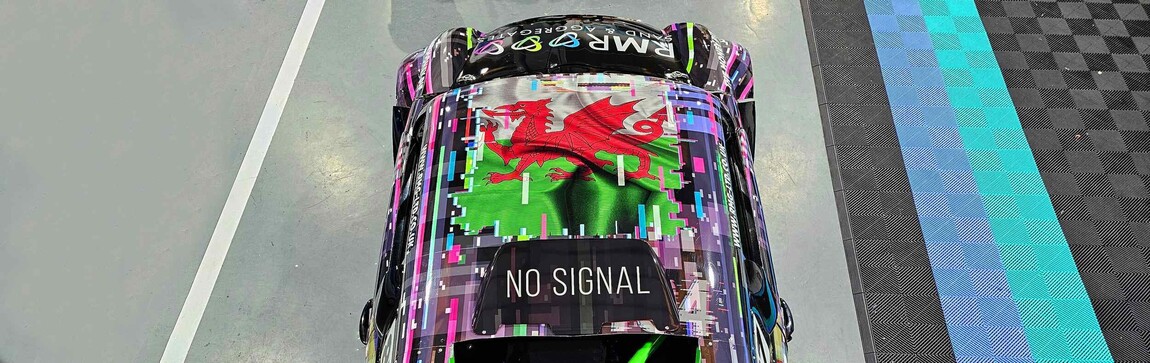
Colour Psychology and Broadcast Recognition
In the world of high-speed racing, colour isn’t just an aesthetic choice - it’s a psychological tool and a technical requirement. The right palette does more than look good; it triggers an immediate emotional response and ensures instant brand recall at a glance.
We select colour profiles based on the "personality" of the brand and how they translate through a camera lens:
Aggression & Speed
Red denotes power and urgency. It is high-impact on track but requires precision engineering to prevent "colour bleeding" on 4K digital broadcasts.
Visibility & Energy
The kings of the "Squint Test." Fluorescents and neons offer the highest chromatic contrast against dark asphalt and grey weather conditions.
Premium Authority
While black conveys luxury, we often pair it with high-performance motorsport wrap materials in satin or metallic to catch the light.
Engineering "Brand Memory"
When we combine these psychological triggers with technical execution, we create brand memory. The goal is for a fan to identify the car simply by a flash of colour in their peripheral vision. By balancing saturation, contrast, and finish, we ensure your team identity is etched into the viewer's mind long after the chequered flag drops.
👉 Love the science behind the circuit? See how we translate these high-speed principles into real-world impact in our guide: Motorsport Livery Lessons That Shape Vehicle Branding.
Managing Sponsor Hierarchy and Visual Real Estate
Balancing a multi-partner livery is one of the most complex challenges in motorsport graphic design. You aren't just placing logos; you are managing a high-speed hierarchy where every square centimetre has a commercial value.
A professional grid usually consists of:
- Title Sponsors: The primary brand that defines the car's base identity.
- Secondary Partners: Major brands requiring high-visibility "Hero Zones."
- Technical & Associate Partners: Subtler placements that still require technical legibility.
The Challenge: To provide maximum commercial visibility for every partner without creating "visual clutter" that degrades the team's professional identity.
Primary Sponsors
Strategically placed in "Hero Zones" like the sidepods, bonnet, and rear wing for maximum TV exposure.
Secondary Sponsors
Positioned in supporting areas such as the rear quarters and nosecone to ensure coverage during tight shots.
Technical Partners
Placed with consistent spacing across aerodynamic surfaces, ensuring brand presence without disrupting the flow.
Visual Consistency
We align all branding to a strict grid, maintaining a clean, professional aesthetic that respects every partner's guidelines.
Motion Design Thinking: Engineering Visual Momentum
In motorsport, a livery is a living, breathing design that only truly comes to life at triple-digit speeds. We apply motion design thinking to ensure the car doesn't just sit on the track - it slices through it.
To achieve this, our design process focuses on dynamic visual flow:
- Leading Lines: We use diagonal graphic elements that follow the car’s natural aerodynamic curves, guiding the viewer's eye from the nosecone to the rear wing.
- Visual Weight Distribution: By placing heavier graphic elements toward the rear, we create a sense of "forward lean," making the car appear aggressive and poised for acceleration.
- Kinetic Perception: We strategically use "speed streaks" and gradients that enhance the perception of velocity, ensuring the car looks like it’s breaking records even when it’s stationary in the pit lane.
☑️ The Result: A livery that looks inherently fast, amplifying the team’s competitive edge before the lights even go out.
High-Performance Materials: Engineering the Lens Response
A livery’s success lives or dies by how it interacts with light. Budget vinyls often "fail" on camera, suffering from specular glare that turns a sponsor's logo into a white smudge, or chromatic drop-off where vibrant reds turn a muddy brown under 4K sensors.
We solve this by selecting broadcast-grade cast films specifically engineered for high-frequency cameras. By manipulating the surface finish - switching between gloss, satin, and matte - we control how the car "holds" light. This ensures your primary partners maintain perfect brand colour accuracy from the midday sun of Dubai to the stadium floodlights of Singapore.
The Risk: Poor Materials
The Popin Standard
❌ Lens Flare: Harsh glare obliterates logos.
☑️ Light Diffusion: Satin finishes kill glare.
❌ Colour Bleed: Dull, "muddy" digital reproduction.
☑️ Vibrancy: High-pigment films for 4K clarity.
❌ Peeling/Heat: Failure near exhausts and vents.
☑️ Thermal Grade: Race-proven adhesive stability.
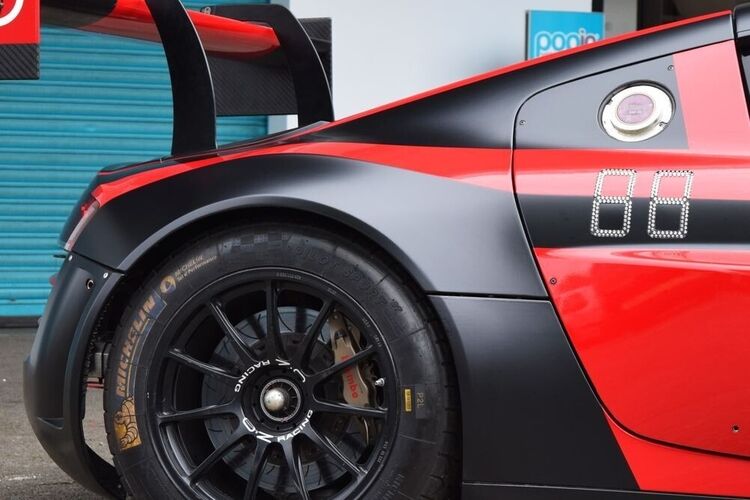
Matte & Gloss
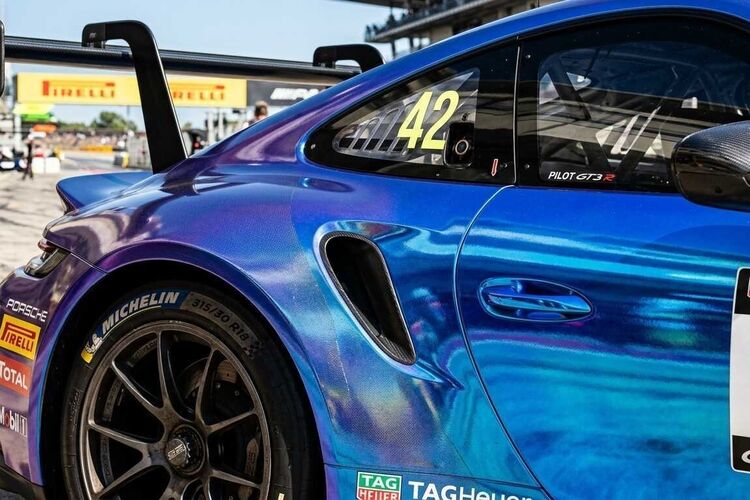
Metallic
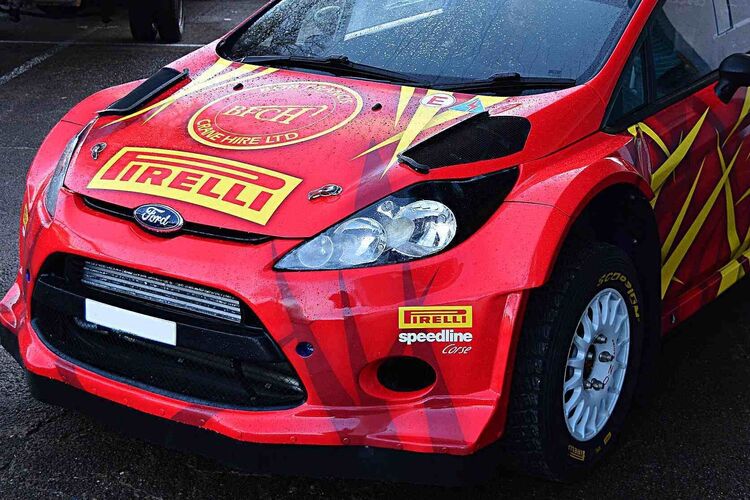
Gloss
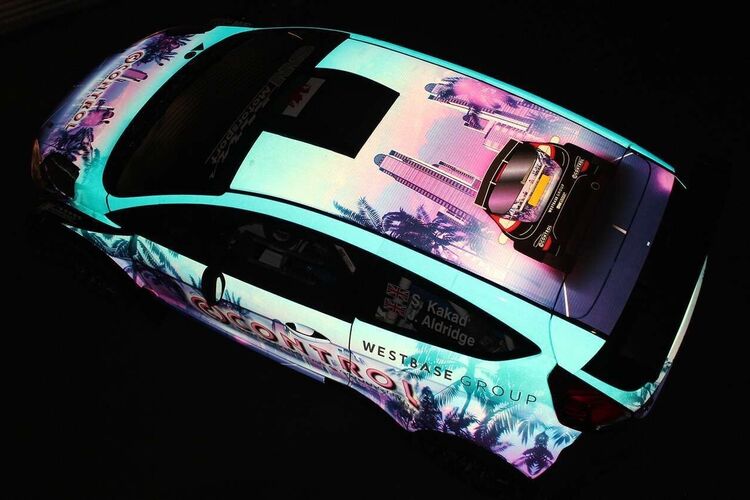
Reflective
Precision Application Defines the Final Result
A world-class livery fails the moment it hits a shut-line if the installation lacks precision. High-definition cameras act like a microscope, turning a 1mm misalignment into a glaring visual distraction for millions of viewers.
We treat the application process as a technical discipline. Every logo must transition across complex aerodynamic vents without distorting the brand's geometry.
Beyond aesthetics, the installation must survive the "stress test" of the track. From extreme brake heat to high-speed vibrations, we ensure the material stays locked to the bodywork. If a graphic lifts under the spotlight of a 4K replay, the professional image of the team is compromised.
The Trickle-Down Effect of Elite Design
A world-class livery is the genetic code for your entire operation. For a brand to truly resonate with fans and blue-chip sponsors, the visual identity must flow seamlessly from the front wing to the digital experience. This creates a "Professional Wall" - a unified brand ecosystem that projects authority across the entire broadcast environment.
01. The Race Car
The "Hero Asset" that establishes the primary colour palette and graphic DNA.
02. The Pit Environment
Translating the car's aesthetic into garage walling and gantry systems.
03. Team & Driver Identity
Synchronising race suits and team-wear with the vehicle’s visual language.
04. Logistics & Digital
Extending the brand to transporters and social media for a unified "Big Picture" look.
Wrapping Things Up
Designing a high-performance livery is a technical discipline that exists at the intersection of brand strategy and broadcast engineering. It is a process where visibility, clarity, and commercial ROI must outweigh pure aesthetics.
As we have explored, a successful livery must survive the "200mph stress test." It needs to protect *sponsor equity*, maintain chromatic vibrancy under 4K sensors, and provide a unified brand DNA that extends from the pit wall to the podium. When these elements align, your car becomes more than a vehicle - it becomes a high-velocity marketing asset that delivers under the most demanding global spotlights.
Ready to Optimise Your Grid Presence?
At Popin, we specialise in engineering visual identities for the world’s most competitive grids. Whether you are launching a new team brand or looking to maximise sponsor visibility for the upcoming season, we provide the technical design and precision application required to win on camera.
Get in touch with the Popin team today to start your next livery project.