

Can You Wrap a Vehicle with Rust or Existing Damage?
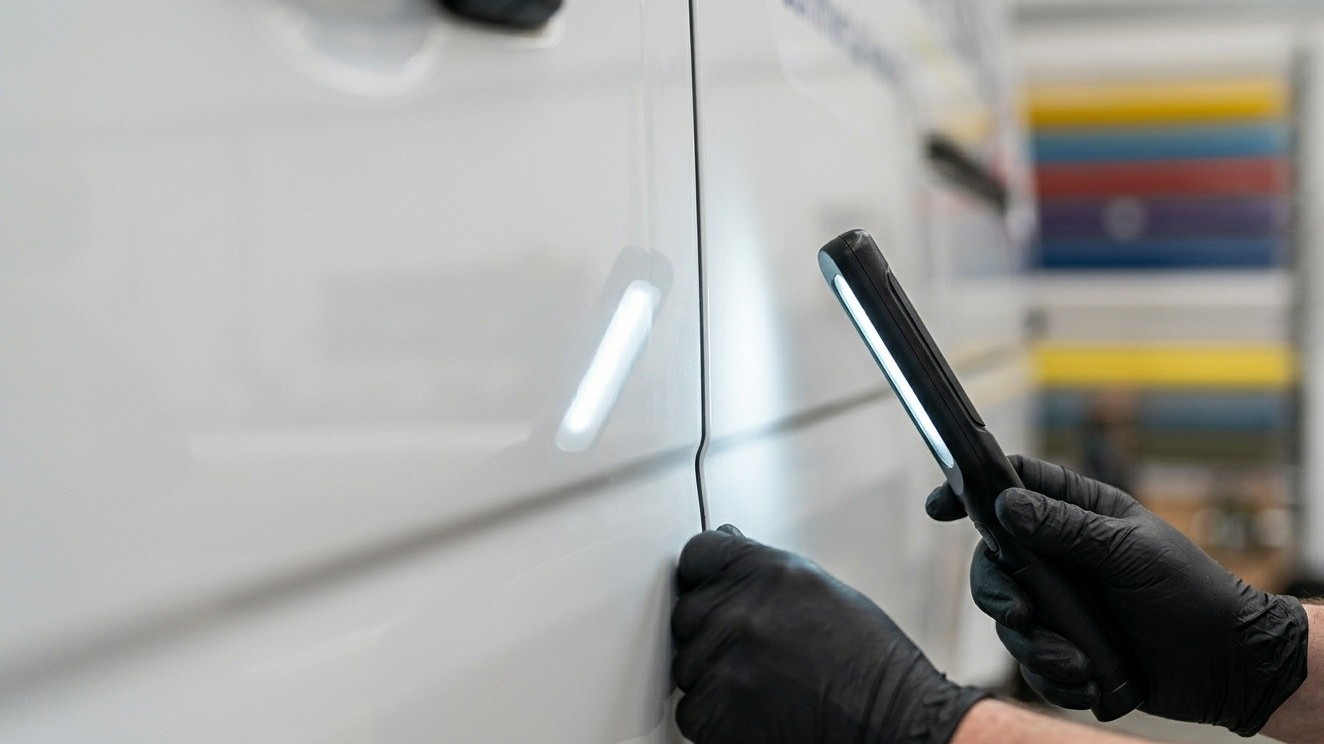
posted 5th June 2026
If you are planning to upgrade an older van, car, lorry, bus, or an entire commercial fleet, you have likely asked yourself one critical question before requesting a quote:
It is a smart question to ask.
High-quality commercial vehicle wraps and graphics completely transform your company branding, instantly modernising ageing assets.
Because premium vinyl looks so flawless, many business owners understandably assume it will act as a camouflage for minor cosmetic flaws.
The Reality of Vehicle Wrap Prep
While vinyl graphics can disguise very minor surface variations, they are not a substitute for body repairs.
Attempting to wrap over deep rust or significant structural damage often highlights the defect rather than hiding it, potentially ruining your investment.
The good news? Having minor bodywork issues doesn't mean your fleet can't be wrapped.
It simply means that professional vehicle wrap preparation must happen first.
As specialist installers, we believe in complete transparency to ensure your graphics last for years to come.
Please Note: We are vehicle wrap and graphics specialists, not a bodyshop. We focus entirely on designing and installing your livery; any structural repairs or paint restoration must be completed by an independent bodyshop expert before we wrap.
In this comprehensive guide, we will break down exactly what you need to know before booking your installation:
What We'll Go Through in this Guide...
Explore the five core technical phases of automotive surface assessment and wrap optimisation:
Swipe to explore →
01
The Rust Problem
How active surface corrosion chemically attacks commercial-grade wrap films.
02
Paint & Panel Damage
Evaluating which overall bodywork flaws can be safely wrapped or masked.
03
The Hidden Risks
The costly long-term commercial failures caused by neglecting surface defects.
04
Professional Prep
Explore the full restorative bodywork pipeline required for a flat substrate.
05
Fleet Management
Strategic ROI metrics and asset protection insights for large vehicle fleets.
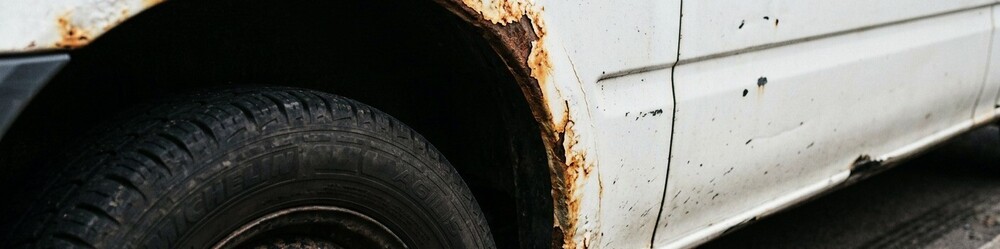
Can You Wrap a Vehicle with Existing Damage
Let's start with the question most fleet managers and business owners want answered immediately:
Can you wrap a vehicle with rust or existing bodywork damage?
In almost every scenario, the short answer is no - at least not if you want a professional, long-lasting finish.
Commercial vehicle wrap films are engineered as premium, ultra-thin layers designed to bond seamlessly with factory-standard paintwork.
They are not a structural fix, nor are they thick enough to camouflage underlying issues.
Instead of hiding bodywork flaws, vinyl wrap acts like a second skin, conforming to every physical contour and highlighting the exact defects you were hoping to conceal.
Ultimately, your commercial vehicle graphics are only as strong as the surface beneath them.
If your vehicle's substrate is unstable, peeling, or corroding, the vinyl wrap will inevitably fail.
Here is exactly how common surface imperfections interact with professional vinyl films:
Surface Rust & Corrosion
Adhesives cannot bond to loose oxidation, leading to rapid vinyl lifting, water trapping, and bubbling.
Peeling Lacquer & Paint
If the factory clear coat is flaking off, the heavy-duty wrap adhesive will simply pull the remaining paint completely away.
Deep Scratches & Gouges
Vinyl sinks directly into surface pits, creating highly visible, sharp craters in your finished corporate graphics.
Stone Chip Damage
Hundreds of tiny impact craters prevent seamless film adhesion, creating a texture identical to rough sandpaper.
Dents & Creases
Distorted metal work alters how natural light reflects off the vinyl gloss, making physical damage look far more prominent.
Unprimed Body Filler
Porous, raw filler blends absorb ambient humidity and fail to offer a chemically stable anchor point for vinyl adhesives.
Why Rust is the Biggest Vehicle Wrap Problem
Of all the bodywork issues we encounter, rust is by far the most problematic.
Many vehicle owners and fleet drivers mistakenly believe that a heavy-duty commercial vinyl wrap can act like a sticking plaster over surface corrosion.
Unfortunately, it simply does not work that way.
Rust is never a simple, static surface issue. It is an active, aggressive deterioration process occurring within the metal itself. When you attempt to apply vinyl over an oxidised surface, you trigger an immediate chemical and physical conflict. Because vinyl requires a solid, smooth gloss or primed substrate to establish a permanent bond, it cannot adhere to loose flakes of rust.
The wrap may initially appear acceptable on the day you pick up the vehicle, but the structural degradation does not stop. As the underlying corrosion inevitably continues to spread beneath the film, the graphics will begin to fail.
For commercial operators, ignoring rust doesn't just destroy your branding investment; severe bodywork corrosion can also impact compliance with official UK fleet standards, such as those outlined in the DVSA guide to maintaining roadworthiness.
Worse still, when you eventually come to remove or update the graphics, the removal process becomes significantly more difficult because the underlying metal work has deteriorated further.
When vinyl is installed over active rust, it triggers a chain reaction of specific technical failures:
Vinyl adhesives require an entirely non-porous, chemically stable base. Loose oxidation continuously flakes away, causing the wrap to rapidly lose its grip, tear, and lift away from the vehicle panel edges.
The textured, uneven surface of corroded metal creates microscopic air pockets beneath the vinyl layer. These invisible pockets trap environmental humidity, accelerating the oxidation process beneath your graphics.
As iron oxide continues to develop beneath the sealed film, it expands in physical volume. This sub-surface expansion pushes the vinyl outwards, creating highly unsightly, blistered bubbles across your corporate graphics.
By sealing active rust away from view, minor surface corrosion quickly transforms into deep structural rot. What could have been a simple sanding job later becomes a highly expensive panel replacement project.
What Types of Damage Cause the Most Vehicle Wrap Problems?
It is important to remember that not all commercial bodywork damage is equal.
When assessing an older van, car, or heavy goods vehicle, some minor surface imperfections may be manageable with basic surface preparation. Others, however, make professional vinyl installation completely unsuitable until proper bodywork restoration is carried out.
The exact severity, surface depth, and location of the bodywork damage will ultimately determine whether specialist repairs are essential before installation day. For instance, surface-level micro-scratches react very differently to commercial wrapping adhesives compared to deep structural panel indentations or failing factory clear coats.
Please Note: Where structural restoration or paint re-spraying is required, you will need to consult an independent, professional bodyshop expert to carry out these specialist repairs before your vehicle arrives at our facility for its graphics installation.
To help fleet managers and business owners effectively audit their vehicles before requesting an installation quote, common bodywork defects are generally classified into two distinct technical categories:
Critical Surface Failures
- Active Rust Spots & Seam Corrosion: Total dealbreakers. Spreading oxidation destroys adhesive bonds instantly.
- Paint Peeling & Lacquer Failure: Flaking clear coats provide an unstable foundation that lifts away entirely.
- Exposed Metal & Raw Primer: Porous primer paints absorb ambient moisture, preventing vinyl from sticking.
- Body Filler Shrinkage: Poor previous repairs that crack or shrink create sub-surface structural gaps.
Manageable Surface Flaws
- Micro-Scratches & Swirls: Light surface abrasions can easily be blanked out by thick premium conformable vinyl.
- Minor Stone Chip Abrasions: If the surrounding factory paint remains fully intact, vinyl can coat them securely.
- Shallow Isolated Dents: Smooth panel indentations without sharp paint creases can often be wrapped successfully.
- Stable Factory Paintwork: Ageing paint panels that are faded but chemically sound wrap incredibly well.
Damage That Might Still Be Wrappable
This is where many business owners, fleet operators, and private individuals are pleasantly surprised.
A commercial or personal vehicle does not need to be in factory-perfect showroom condition before it can undergo a professional transformation.
Minor, superficial cosmetic imperfections can often be accommodated by premium-grade conformable vinyl films without compromising the longevity of the finished graphics. Provided the underlying factory paintwork remains structurally stable, non-porous, and perfectly bonded to the metal panel beneath it, wrapping remains an entirely viable and cost-effective branding option.
Before investing in new graphics, it is always wise to determine whether your vehicle's surface damage is purely a superficial cosmetic blemish or an early warning sign of a deeper structural issue.
For assistance in identifying and evaluating common paint and bodywork concerns, you can reference the comprehensive RAC car rust removal and prevention guide which details how surface micro-damage can eventually spread into deep metal degradation.
As a general rule, professional wrap installers can safely install vinyl over the following minor surface variations, provided they pass a hands-on physical inspection:
Surface Scratches
Very shallow hair-line clear coat abrasions vanish easily under thick wrap films.
Swirl Marks
Standard wash-mitt paint marring and swirls are safely masked by professional vinyl.
Minor Stone Chips
Small, isolated chips can be coated over seamlessly if the surrounding clear coat is fully stable.
Texture Variations
Slight factory paint texture imbalances or minor orange-peel wear wrap flawlessly.
Age-Related Wear
Faded, dull panels that are entirely smooth and sound make an excellent adhesive base.
Swipe track horizontally to explore more
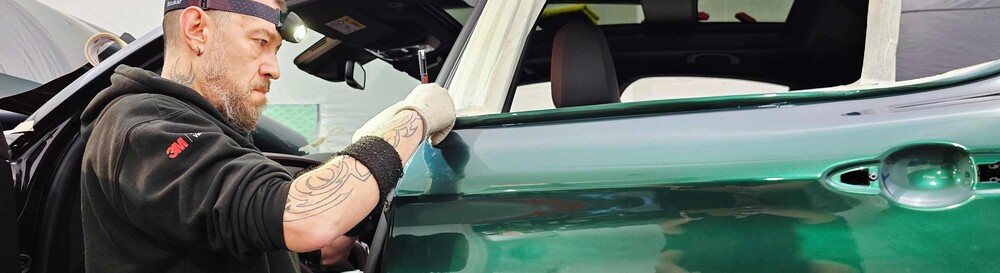
The Hidden Danger of Paint Failure and Lacquer Peel
While surface corrosion is a major concern, it is not always the single biggest issue our installers face.
Quite often, underlying paint failure and failing clear coats cause even greater technical problems during a vehicle graphics installation.
Many older fleet vans, commercial lorries, and well-traveled passenger vehicles suffer from peeling lacquer, cracking clear coats, or sub-standard historic body shop resprays.
Premium vehicle wrap adhesives are engineered to form a powerful, long-term chemical bond with stable factory finishes. However, if the underlying paint system is inherently unstable, the wrap can only ever adhere as strongly as that flaking layer beneath it.
Installing high-end vinyl graphics over compromised or delaminating paintwork triggers a distinct, highly damaging timeline of technical failures that can ruin your branding assets:
Adhesive Lifting
As the commercial film settles, the microscopic tension pulls at the edges of the brittle, peeling lacquer, causing the vinyl graphics to tent and lift.
Installation Detachment
In severe cases of paint delamination, the heavy-duty installation adhesive can physically pull the weak clear coat away from the panel during squeegee fitting.
Catastrophic Removal
When updating your corporate branding years later, the vinyl will act as a giant strip of tape, stripping wide sections of loose factory paint down to the bare metal.
Can Vinyl Hide Scratches on a Vehicle?
This is officially one of the most searched vehicle wrap questions online.
When fleet managers, small business owners, and private motorists want to refresh a commercial asset, they want a direct answer.
The honest answer depends entirely on the physical depth of the surface damage.
Premium, high-end conformable vinyl is designed to mirror the exact texture of whatever lies directly beneath it. In certain natural lighting conditions, applying a glossy wrap over deep defects can actually accentuate paintwork abrasions rather than hiding them. This happens because the film is vacuum-squeegeed tightly down into the valley of the scratch, creating a sharp crease or a noticeable optical shadow on the finished graphics.
To help you determine whether your vehicle paintwork is ready for a professional vinyl installation, use this direct rule of thumb: the fingernail test.
If you can catch your fingernail easily on the edge of a scratch, the defect is too deep to be hidden, and the wrap will reveal it.
Here is exactly how different scratch depths behave under a professional commercial wrap film:
| Scratch Depth | Impact on the Finished Wrap | Installation Status |
|---|---|---|
| Light Scratches | Very superficial clear coat scuffs. Premium thick vinyl completely isolates them, making them entirely unnoticeable to the eye. | Wrappable |
| Moderate Scratches | Abrasions that have sliced past the clear coat into the paint layer. The vinyl wrap texturing will soften them, but outlines will remain visible. | Prep Advised |
| Deep Scratches | Gouges cutting down to the grey primer or raw metal. Film will sink deeply into the crevice, accentuating the crater and risking adhesive failure. | Repair Required |
Pro Installer Tip: Before requesting an installation quote, walk around your vehicle and run your finger across any paintwork damage. If a scratch catches your fingernail, it most certainly requires sanding and priming first.
What About Dents and Creases on Your Vehicle Panels?
When auditing a commercial van, lorry, or fleet car, many operators assume that a fresh layer of vinyl will effortlessly hide surface dents. Unfortunately, vinyl wrap does not function like structural body filler.
Because premium wrap films are incredibly thin and highly conformable, they are designed to track every single microscopic contour of the substrate underneath. If a dent or panel crease is clearly visible before the wrapping process, it will remain fully visible afterwards.
In many cases, applying a gloss, matte, or satin finish vinyl over a dented panel will actually make the distortion significantly more noticeable. This happens because the reflective sheen of the film alters how natural sunlight hits the damaged area, drawing the eye directly to the warped panel shape.
To help you easily determine which overall bodywork conditions are safe to move forward with and which ones require immediate attention before booking your installation, use our interactive fleet condition matrix below:
Vehicle Wrap Suitability Audit
Select a surface category below to view how various bodywork defects impact your installation suitability.
Light surface scratches
Usually Yes
Freshly repaired bodywork
Yes (Once Cured)
Minor shallow stone chips
Prep Advised
Minor panel dents
Visible
Active rust spots
Repair First
Peeling commercial paintwork
Repair First
Factory clear coat / Lacquer failure
Repair First
Active corrosion around wheel arches
Repair First
How to Correctly Prepare a Damaged Vehicle for a Wrap
Note: We are not vehicle restoration specialists, so any required panel beating, structural repair, or paint restoration must be fully completed by a professional, third-party bodyshop before your vehicle arrives at our facility for graphic installation.
If your commercial van, fleet vehicle, or personal car currently suffers from surface rust or bodywork defects, there is no need to worry.
As discussed above, having minor paintwork or panel flaws does not mean your vehicle cannot be wrapped.
In almost every scenario, there is a clear, highly structured path forward to ensure your asset is fully ready for a professional transformation.
The secret to a flawless, long-lasting vinyl wrap installation lies entirely in the mechanical preparation of the vehicle substrate.
To achieve maximum chemical adhesive bonding and prevent edge-lifting over time, the bodywork must undergo a professional restoration cycle.
Skipping these crucial bodywork stages or rushing straight to the installation day will inevitably trap moisture and ruin your marketing graphics.
To get the best possible return on investment from your branding assets, professional wrap installers always use the following structured, logical preparation workflow:
The Fleet Wrap Preparation Pipeline
Hover over or tap each sequential phase below to explore the technical process required to restore surfaces for flawless graphics adhesion.
01
Thorough Surface Assessment
A specialist hands-on physical inspection evaluates the structural stability of every body panel under professional studio lighting tracks.
02
Defect Mapping
Installers explicitly identify and mark out active oxidation, clear coat flakes, sub-surface panel dents, and deep abrasions across the substrate.
03
Panel Restoration & Sanding
Corroded sections are mechanically ground down to bare metal, while dents are pulled out and filled using professional body shop compounds.
04
Priming & Painting
Repaired areas are completely sealed using non-porous automotive primers and specialised paint layers to block environmental humidity.
05
Complete Paintwork Curing
Crucial phase. Fresh paintwork must outgas and cure completely for a minimum of 2–3 weeks to prevent solvent gassing from bubbling the film.
06
Flawless Vinyl Installation
Once the substrate is chemically stable, non-porous, and perfectly flat, the premium conformable vinyl wrap is safely installed for maximum durability.
Why Fleet Managers Must Audit Vehicle Conditions First
For commercial operations, vehicle graphics are rarely just a cosmetic preference - they are high-performing, mobile branding assets designed to drive business growth.
When dealing with an extensive commercial fleet, vehicles inevitably collect a punishing amount of on-road wear, ranging from severe stone chips and door-impact creases to wheel arch corrosion and peeling previous repairs.
Because fleet wraps are a direct investment into your corporate brand perception, the physical condition of your delivery vans, field cars, or heavy lorries becomes mathematically vital. A professionally fitted, flawless fleet livery can significantly elevate your brand trust across the UK.
Conversely, attempting to stretch a fresh vinyl graphic over visible, bubbling rust or flaking lacquer communicates the exact opposite message to potential clients on the road.
Before commissioning a new batch of corporate graphics, fleet managers must carry out a meticulous pre-wrap audit.
Proactively managing these bodywork imperfections before installation day ensures your operational fleet looks like an industry leader while protecting your capital expenditure.
Investing in minor panel preparation helps asset managers maximise four critical operational metrics:
Common Fleet Surface Flaws
- Punishing Stone Chips: Deep frontal impact craters that break the protective base coat layers.
- Loading Door Damage: Heavy-use creases and scuffs that distort panel geometry.
- Wheel Arch Corrosion: Hidden oxidation traps that aggressively destroy vinyl adhesion.
- Poor Historic Panel Repairs: Uncured fillers or cheap primer coats that reject adhesive backing.
Strategic Asset Enhancements
- Maximised Graphic Lifespan: Clean preparation prevents early film delamination and lifting.
- Premium Brand Perception: A completely flat substrate guarantees flawless, striking marketing graphics.
- Protected Return on Investment: Eliminates the costly need for vehicle downtime and mid-contract panel rewraps.
- Preserved Resale Value: Correct bodywork sealing protects underlying assets at end-of-lease handback cycles.
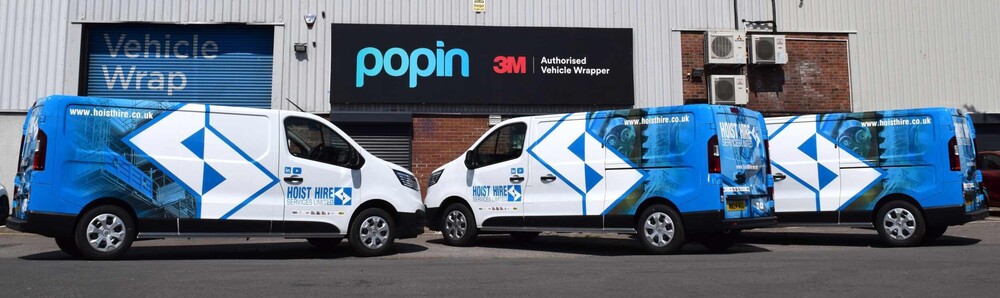
Can Rust Be Repaired Before Wrapping a Vehicle?
Absolutely.
In fact, undertaking professional paint and panel restoration is the absolute recommended solution for any older commercial asset.
When rust, panel degradation, or structural corrosion is safely treated and completely eliminated, your vehicle ceases to be a liability. Instead, it becomes an excellent, chemically stable candidate for a premium long-term vinyl installation.
Many older commercial fleet vans, logistics lorries, and regional passenger buses are granted an entirely new lease of life through this exact restorative process.
Rather than paying tens of thousands of pounds to replace aging capital assets, investing in localised panel restoration combined with high-impact corporate livery is one of the most cost-effective fleet management strategies available in the UK today.
Note: While we are experts in the design and installation of premium vehicle wraps and graphics, our facility does not provide rust treatment, welding, or paint restoration services. Any required preparation steps would need to be carried out by an independent bodyshop specialist.
To guarantee that the newly restored substrate provides perfect, permanent adhesion for your new corporate graphics, the remediation work must be executed via five industry-standard phases:
The Restorative Substrate Workflow
Explore the five vital bodywork restoration stages necessary to transform corrupted automotive panels back into premium, wrappable surfaces.
Stage 01
Corrosion Removal
All surface rust and deep iron oxide pockets are mechanically ground or blasted down completely to reach sound raw metal.
Stage 02
Chemical Treatment
Specialised rust-converting inhibitors are chemically applied to the cleaned panels to fully neutralise microscopic residual oxidation.
Stage 03
Metal Section Replacement
Panels suffering from deep, structural rot are cut out entirely and structurally replaced with fresh, cleanly welded sheet metal sections.
Stage 04
Automotive Priming
The bare metal work is completely sealed with a professional, non-porous automotive primer to shield the panel from moisture.
Stage 05
Surface Painting
A smooth glossy topcoat layer is sprayed and fully baked, providing the flat, non-porous chemical anchor point needed for vinyl wrap film.
What Happens If You Ignore Vehicle Damage Before Wrapping?
The short answer?
Your commercial fleet operations or personal upgrade project will quickly face significantly higher, unnecessary costs.
Attempting to save money upfront by cutting corners on vehicle bodywork preparation is one of the most frequent financial mistakes made in the vehicle graphics industry. While it may be tempting to wrap directly over active corrosion or delaminating clear coats to get your asset out on the road faster, the long-term reality is a rapid cascade of technical and visual failures.
Trying to bypass proper panel restoration almost always results in early graphic failure, destroying your initial marketing layout investment. What could have been a simple, localised repair before installation day quickly escalates into a complex panel restoration job later on.
In short, ignoring basic surface damage upfront guarantees you will spend more money, face more fleet downtime, and suffer from poor brand representation later down the line.
When commercial operators choose to skip the essential vehicle prep stages, it triggers several costly technical and operational consequences:
The Financial Realities of Neglecting Vehicle Prep
Bypassing crucial paintwork and structural panel remediation results in direct, quantifiable hits to your corporate operations and fleet budgets:
✕
Premature Wrap Failure
Adhesives completely lose traction over flaking clear coats or bubbling rust, leading to rapid, ugly edge peeling.
✕
Increased Fleet Maintenance Costs
Your commercial assets will require frequent, repetitive layout patch repairs to keep the graphics looking presentable.
✕
Shorter Fleet Branding Lifespan
A wrap that should comfortably last 5-7 years on stable factory paintwork can easily fail in under 12 months.
✕
Damaged Public Brand Perception
Bubbling, blistered, or tearing vinyl wrap ruins your commercial image and actively undermines customer trust on the road.
✕
More Complex Future Repairs
Trapping rust beneath vinyl accelerates deep metal degradation, turning a simple sanding job into an expensive panel replacement project.
Wrapping Things Up
A premium commercial vehicle wrap can completely transform the appearance of an older asset, but it cannot perform structural miracles.
Heavy-duty automotive vinyl is specifically engineered to enhance, modernise, and protect a vehicle surface - not to repair deep structural decay or mask underlying mechanical failure.
If rust, corrosion, peeling paint, or significant panel dents are present, those critical surface issues should always be professionally addressed before the film installation begins. Bypassing these phases will always cost more money in premature vinyl breakdown and avoidable vehicle downtime.
The good news is that many older commercial vehicles can still be wrapped with absolute success once the appropriate, localised bodywork repairs have been completed. In fact, some of the most visually impressive and highest-performing wrap transformations start with fleet assets that initially looked completely unsuitable for graphics.
The master key to success is understanding that surface preparation matters above everything else.
A professionally repaired, chemically stable substrate creates the flawless foundation needed for a wrap that looks better, lasts longer, and delivers significantly greater marketing value for your business over time.
When planning your next graphics project, keep these three final pillars of vinyl wrap longevity in mind: